
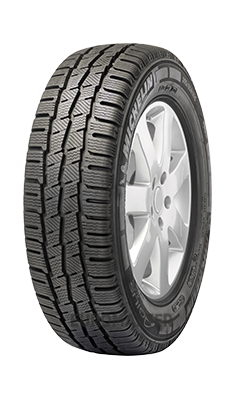
Carry your business through snowfalls with the MICHELIN Agilis Alpin tyre, built to deliver high levels of safety, control and mobility in winter
 You're in good hands
Keeping your van safe on the road during winter driving conditions is vital. At ATS Euromaster, we provide an extensive selection of van tyres at competitive rates, catering to various models from top manufacturers like Michelin, Pirelli, and Avon.
You can purchase from our van tyre range online and schedule a fitting at one of our 150+ centres at your convenience. Just search for the tyres you need and set up an appointment at a nearby centre.
When driving a van through winter conditions, grip, braking distance and durability become essential. Here’s a closer look at six popular van winter tyres you can find at ATS Euromaster. All models listed are suitable for vans and light commercial vehicles and meet UK winter standards.
Carry your business through snowfalls with the MICHELIN Agilis Alpin tyre, built to deliver high levels of safety, control and mobility in winter

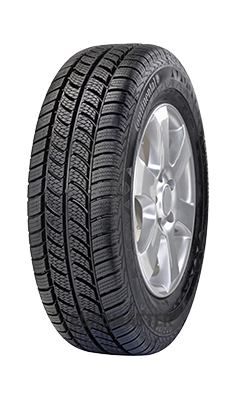
Built for vans, the VancoWinter2 provides a high level of winter traction.

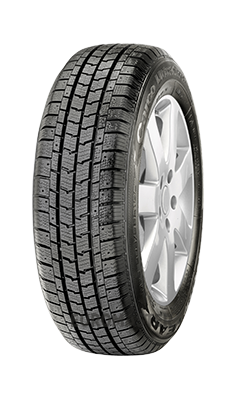
The Goodyear Cargo UltraGrip 2 provides great traction on ice and snow whilst reducing the risk of aquaplaning - ideal for vans

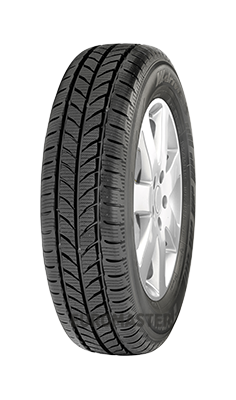
The W.Drive WY01 is a winter tyre developed for commercial vehicles with two objectives: Save fuel and improve performance.

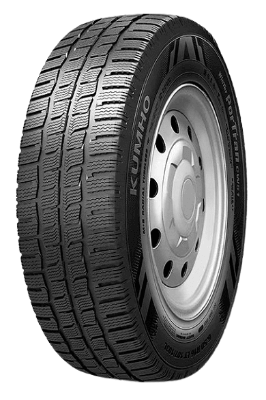


As soon as temperatures drop below 7°C, winter tyres have been shown to reduce stopping distances and improve car control, even in dry conditions. When winter arrives and road conditions begin to change, summer tyres can underperform. Michelin's Alpin winter tyres are designed for use where drivers face cold, wet, and snowy conditions.
These tyres are optimal for temperatures ranging from +7°C to -20°C. They perform best on wet, cold, and snowy ground and can even be driven on icy roads. If you frequently face snowy roads or very low temperatures, especially in harder-to-reach areas during winter, winter tyres might be the best choice.
Choosing the right winter tyres isn’t just about picking a well-known brand. It’s about matching the tyre to your van’s size, usage, and load requirements. Here are the key things to consider before buying:
Start by looking at your current tyre markings – usually found on the sidewall or in your vehicle manual. Winter tyres must match your van’s size and load index. Tyres labelled XL (extra load) are often recommended for vans as they support heavier weights without compromising stability.
If you’re frequently on motorways or cover long distances in cold weather, look for tyres with a high wet grip rating and low rolling resistance. For stop-start city driving or steep rural roads, prioritise braking performance and winter conditions.
High performing winter tyres carry the Three Peak Mountain Snowflake (3PMSF) symbol. This mark confirms the tyre has passed official snow performance tests. It’s especially important for business use or if you drive in areas with stricter seasonal rules.
Van tyres wear faster under load. Look for models built with reinforced sidewalls and long-lasting compounds. If you go for a tough, reliable winter tyre, you’ll spend less time and money sorting out replacements – so your van can keep moving all season long.
Winter tyres are in high demand when it gets cold—especially in the most popular sizes. Check availability online and book at a centre or through our mobile fitting service, and you’ll be ready for winter when you want to be.
Winter-ready tyres for vans are specially designed to perform in cold, wet and icy conditions. They differ from regular tyres in several key ways:
Standard tyres harden in the cold, reducing grip and traction. Winter tyres use a softer rubber compound that stays flexible below 7°C. This flexibility improves contact with the road, especially in rain or light snow.
Winter van tyres feature deeper tread grooves and a higher number of sipes – the small slits in the tread blocks. These help bite into snow and push water away from the tyre surface, reducing the risk of skidding or aquaplaning.
This symbol indicates that the tyre has passed strict EU tests for snow grip. It’s different from the M+S (Mud and Snow) marking, which is not based on performance testing. Many of our van winter tyres carry the 3PMSF symbol, ensuring they meet safety standards.
Vans carry more weight than cars, so winter tyres for vans are reinforced to handle the extra load. Many models come with an XL (extra load) rating and strengthened sidewalls to maintain stability under pressure.
By switching to winter-rated tyres, your van gains better grip, safer braking and more control in cold-weather driving – essential if your work continues whatever the weather.
For van tyres specifically, it's essential to monitor the condition, tread depth, and age to determine the right time for replacement. On average, tyres last around 4-6 years or between 36,000-75,000 miles. However, the actual lifespan of tyres can vary based on factors like climate, maintenance, and driving habits. Of course, you should always replace your tyres when they are close to, or below 1.6mm of tread depth.
XL or REINF tyres can be suitable for smaller vans. The markings C or LT signify tyres with a strengthened structure, designed to carry heavier weights, specifically up to a load index of 128. This translates to a maximum weight of 1800 kg. Such markings are typically found on medium to large-sized vans.
You can, but it’s not advised. Winter tyres are made for cold conditions. In warmer months, they wear out quicker and don’t offer the same stability or fuel efficiency as summer or all-season tyres. The softer rubber and deeper tread increase rolling resistance, which can lead to higher running costs. For long-term use, it’s better to switch to seasonal or all-season options as the weather changes.
Winter van tyres are built for performance in low temperatures, with deeper tread and a compound that stays flexible in the cold. They offer the best grip on snow, ice and wet winter roads. All-season van tyres are designed to perform reasonably well year-round. They combine elements of summer and winter tyres, making them a good compromise for areas with mild winters. However, in severe cold or snow, dedicated winter tyres will always perform better.